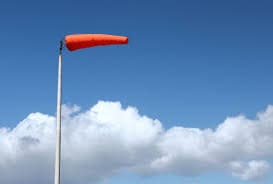
Wind
Horizontal Movement of Air
What Causes Wind
Pressure Gradients - Air moves from high pressure to low pressure areas, creating wind
Measurement
Speed & Direction - Miles per hour or knots from cardinal directions
Global Scale
Jet Streams to Breezes - Ranges from gentle 1 mph to extreme 200+ mph tornadoes
What is Wind?
Wind is the horizontal movement of air caused by differences in atmospheric pressure. When the sun heats the Earth's surface unevenly, warm air rises creating low pressure areas, while cool air sinks creating high pressure areas. Air naturally flows from high to low pressure, and this flow is wind. Wind plays a critical role in weather patterns, climate systems, ocean currents, and affects every living organism on Earth.
Wind Formation & Causes
Solar Heating
The sun's energy heats the Earth's surface unevenly. Tropical regions receive more direct sunlight year-round, while polar regions receive less. This differential heating creates temperature gradients.
- • Equator: Receives most intense direct solar radiation
- • Poles: Receive low-angle radiation, minimal heating
- • Oceans: Heat more slowly, release heat slowly
- • Land: Heats quickly, cools quickly
Pressure Gradients
Warm air is less dense and rises, reducing pressure below. Cool air is denser and sinks, increasing pressure. This creates pressure differences that drive wind.
- • High pressure: Cool, sinking air
- • Low pressure: Warm, rising air
- • Steep gradient: Stronger winds
- • Gentle gradient: Lighter winds
Wind Speed Classifications
- • Calm: 0-1 mph
- • Light air: 1-3 mph
- • Light breeze: 3-7 mph
- • Gentle breeze: 7-12 mph
- • Moderate breeze: 12-19 mph
- • Fresh breeze: 19-24 mph
- • Strong breeze: 24-31 mph
- • Gale: 31-38 mph
- • Strong gale: 38-46 mph
- • Storm: 46-54 mph
- • Violent storm: 54-63 mph
- • Hurricane-force: 73+ mph
- • Tornadoes: 100-200+ mph
Types & Patterns of Wind
Global Wind Patterns
Trade Winds: Consistent winds in tropics, northeast in Northern Hemisphere, southeast in Southern Hemisphere. Used for sailing since ancient times.
Westerlies: Prevailing westerly winds in mid-latitudes (30-60 degrees). Drive most weather systems and storms.
Polar Easterlies: Cold winds from polar high pressure centers, flowing toward equator.
Jet Streams
High Altitude Winds: Narrow bands of strong wind at 20,000-40,000 feet altitude where temperature contrasts are greatest.
Speed: 100-300+ mph typical, can exceed hurricane force.
Impact: Control storm movement and flight times for aircraft. Polar jet brings cold air south, subtropical jet brings moisture.
Local & Thermal Winds
Sea Breeze: Flows from ocean to land during day (ocean cooler than land). Reverses at night (land breeze).
Mountain Winds: Upslope winds during day, downslope at night. Föhn winds descend mountains warming adiabatically.
Monsoons: Seasonal reversals of wind direction bringing wet or dry seasons to tropical regions.
Severe Wind Phenomena
Derechos: Organized lines of severe thunderstorms with extreme straight-line winds 75+ mph.
Squalls: Sudden violent increase in wind speed lasting minutes to hours.
Gusts: Brief wind speed increases above sustained speed, can be 50-100% higher.
The Coriolis Effect
Earth's rotation deflects moving air masses. In the Northern Hemisphere, objects deflect to the right; in the Southern Hemisphere, to the left. This is the Coriolis effect and is critical to understanding global wind patterns.
- • Trade winds deflected westward
- • Westerlies deflected eastward
- • Cyclones rotate counterclockwise (NH)
- • Anticyclones rotate clockwise (NH)
- • Wind flows along isobars
- • Pressure force balanced by Coriolis
- • Stronger pressure = stronger wind
- • No Coriolis at equator (weaker effect)
- • Stronger at poles, zero at equator
- • Increases with wind speed
- • Greater at higher latitudes
- • Creates subtropical jet streams
Wind Hazards & Impacts
Property Damage
- 20-30 mph: Slight damage, tree branches snap
- 40-50 mph: Structural damage, roofs damaged, trees uprooted
- 75+ mph: Severe structural damage, widespread destruction
- 100+ mph: Catastrophic damage, total roof failure, homes destroyed
Safety Hazards
- Falling Objects: Debris becomes projectile at high speed
- Wind Shear: Dangerous for aircraft during takeoff/landing
- Travel Impact: Blown off course, reduced visibility
- Power Outages: Downed lines, economic impact
Positive Impacts
- Renewable Energy: Wind power generation 24/7 potential
- Climate Regulation: Transport heat and moisture globally
- Seed Dispersal: Plants spread pollen and seeds
- Ocean Currents: Drive nutrient-rich upwelling
Weather Impact
- System Movement: Steers storms, cold fronts, weather
- Evaporation: Strong winds increase moisture transport
- Fire Spread: Accelerates wildfire growth
- Wave Height: Wind generates ocean and lake waves
Wind Safety
Wind & Climate Change
Climate change is altering wind patterns globally. Jet streams are shifting, monsoon patterns are changing, and extreme wind events may become more intense. Understanding these changes is critical for agriculture, energy production, and disaster preparedness.
- • Jet stream behavior becoming more erratic
- • Extreme wind events increasing in some regions
- • Monsoon timing and intensity shifting
- • Wind patterns affecting hurricane/cyclone tracks