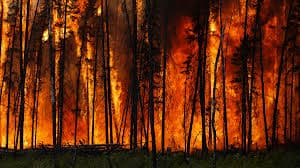
Wildfires
Weather-Driven Natural Disasters
Fire
Rapid spread of flames driven by weather conditions
Fuel
Dry vegetation from drought and heat intensifies burning
Spread
Strong winds rapidly advance fire front miles per hour
What Causes Wildfires?
Wildfires require three elements: fuel (dry vegetation), oxygen, and an ignition source. While natural lightning causes some fires, most modern wildfires are ignited by human activity. Weather conditions - particularly drought, extreme heat, low humidity, and strong winds - dramatically increase fire risk and spread rate. Climate change is lengthening fire seasons and intensifying conditions.
Weather Factors Driving Wildfires
Drought
Lack of precipitation dries out vegetation, making it highly flammable. Longer drought periods increase fire intensity and duration.
- • Moisture content critical
- • Vegetation moisture less than 10% burns fast
- • Drought stress weakens vegetation
Extreme Heat
High temperatures increase evaporation, drying vegetation further. Heat also provides energy for fire growth.
- • Above 95°F significantly increases risk
- • Fuel temperatures determine burn rate
- • Heat accelerates fire spread
Strong Winds
Wind rapidly spreads fires by carrying embers and flames ahead of the main fire front. Creates explosive growth.
- • Santa Ana winds especially dangerous
- • Winds 30+ mph dramatically increase spread
- • Can advance miles in hours
Low Humidity
Low relative humidity dries vegetation rapidly. Combined with heat and wind, creates extreme fire danger.
- • Below 20% RH very dangerous
- • Afternoon hours most critical
- • Combined with wind: extreme danger
Fire Behavior and Spread
Head Fire
Fire advancing upwind in direction of wind travel. Spreads fastest, carries embers ahead creating spot fires. Most dangerous portion.
Backing Fire
Fire burning uphill or against wind. Spreads slower but burns intense. Can trap evacuating residents.
Flanking Fire
Fire burning perpendicular to wind direction. Spreads at medium rate but can cut off evacuation routes.
Fire Indices and Danger Ratings
Fire Danger Levels
Fires unlikely to reach populated areas, contained relatively easily
Fires possible, can spread to populated areas, prompt evacuation may be needed
Fires likely, rapid spread, evacuation orders probable
Fires uncontrollable, rapid spread, widespread evacuations, critical danger
Wildfire Hazards and Impacts
Direct Fire Hazards
Flames, extreme heat, and smoke create immediate threats to life and property.
- • Extreme temperatures burn structures
- • Radiation heat ignites property
- • Embers start spot fires miles away
- • Smoke inhalation life-threatening
Air Quality and Health
Wildfire smoke severely impacts air quality over large areas, causing respiratory and cardiovascular problems.
- • Fine particulates penetrate lungs
- • Asthma and respiratory disease
- • Cardiovascular stress
- • Visibility reduced hundreds of miles
Property Destruction
Wildfires destroy homes, businesses, infrastructure, and natural resources across vast areas.
- • Complete home loss
- • Wildland-Urban Interface
- • Billions in property damage
- • Economic disruption
Environmental Impacts
Wildfires have cascading environmental effects from ecosystem destruction to water quality.
- • Habitat destruction
- • Water quality degradation
- • Erosion and landslides
- • Carbon emissions to atmosphere
Notable Recent Wildfires
Camp Fire (2018, California)
Deadliest US wildfire in century. 85 deaths, 18,804 structures destroyed, 153,000 acres burned in days.
Destroyed entire town of Paradise
Dixie Fire (2021, California)
Second largest CA wildfire. 1,329,603 acres, 1,329 structures destroyed, fueled by extreme heat and wind.
Burned for months, required new suppression strategies
2023 Maui Wildfires
Deadliest US wildfire in a century. 102 deaths, tropical climate fire, fueled by rare drought and offshore winds.
Lahaina devastated, flash floods from rain afterward
2023 Canadian Wildfires
Record smoke across North America. Extreme heat wave, drought, smoke affected millions throughout continent.
Air quality hazardous in eastern US
Safety During Wildfires
Preparation
- ✓ Create 100-foot defensible space around home
- ✓ Clear gutters and roof of debris
- ✓ Keep trees trimmed, remove dead branches
- ✓ Prepare evacuation go-bag
- ✓ Know evacuation routes
Evacuation Order
- ✓ Leave immediately - don't delay
- ✓ Close all windows and doors
- ✓ Turn off propane/gas if time permits
- ✓ Leave lights on for visibility in smoke
- ✓ Drive with headlights on
During High Smoke Days
- ✓ Limit outdoor activities, especially for children/elderly/those with respiratory conditions
- ✓ Use air purifiers indoors, keep windows closed
- ✓ Wear N95 masks if outside during heavy smoke
- ✓ Monitor air quality index (AQI) regularly
- ✓ Have medications accessible if respiratory issues
Key Facts
- 85% of US wildfires human-caused
- Peak season: June-October
- Average: 7 million acres annually
- Fastest spread: extreme heat/wind
- Large fires: 200+ square miles
- West accounts for 85% of acres burned
- Fire season lengthening: 78 more days
- Cost: $10+ billion annually in suppression
- Climate change: doubling fire frequency
- Wildland-Urban Interface: 40M homes at risk