Rain
Water falling from clouds in liquid form - understanding different types of rainfall and their impacts
Types of Rain
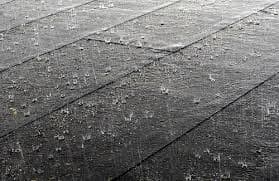
Rain
Water falling from clouds in liquid form
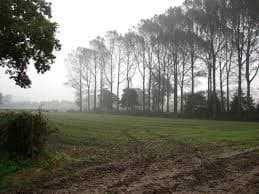
Drizzle
Fine, light precipitation with small droplets

Freezing Rain
Rain that freezes on contact with cold surfaces, forming ice coating
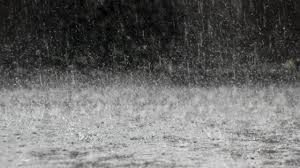
Extreme Rain
Intense rainfall causing severe flooding and damage
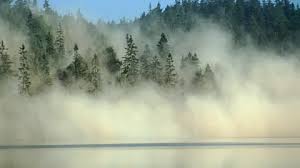
Acid Rain
Rain with elevated acidity from atmospheric pollutants
About Rain
Rain is water falling from clouds in liquid form. Different types of rain form under different atmospheric conditions. Normal rain is essential for the water cycle and ecosystems, while extreme rain and freezing rain can cause severe weather hazards. Acid rain is a form of precipitation affected by atmospheric pollution.
How Rain Forms
Water Vapor
Evaporation lifts water into the atmosphere
Heat from sun converts liquid water to vapor
Condensation
Water vapor cools and forms cloud droplets
Needs dust particles (condensation nuclei)
Precipitation
Droplets combine and become heavy
Falls as rain when gravity overcomes air resistance
Rain Characteristics
Intensity Levels
Light Rain
Less than 2.5 mm/hour - barely visible wet surfaces
Moderate Rain
2.5-10 mm/hour - steady falling rain, pools forming
Heavy Rain
10-50 mm/hour - poor visibility, roads flooding
Violent Rain
Over 50 mm/hour - extreme flooding, dangerous conditions
Factors Affecting Rain
Temperature
Warmer air holds more moisture, increases rainfall
Wind Patterns
Moves moisture and affects cloud formation
Topography
Mountains force air upward, increasing rainfall
Impacts of Rain
Positive Impacts
- Water Supply: Replenishes freshwater sources, lakes, and aquifers
- Agriculture: Essential for crop growth and food production
- Ecosystems: Supports wildlife habitats and natural biodiversity
- Water Cycle: Drives the global circulation of water
Hazards & Impacts
- Flooding: Flash floods and overflowing rivers cause damage
- Landslides: Heavy rain destabilizes slopes in hilly areas
- Erosion: Soil loss and damage to infrastructure
- Transportation: Reduced visibility and slippery conditions