Hurricanes
Tropical Cyclones of Devastating Power
Structure
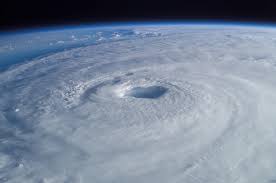
Organized rotating storm with eye, eyewall, and rainbands
Formation
Requires warm water above 80°F and low wind shear
Scale
Saffir-Simpson: Category 1-5 with sustained winds 74+ mph
What is a Hurricane?
A hurricane is a tropical cyclone with maximum sustained winds of 74 mph or higher. Known as typhoons in the Western Pacific and cyclones in the Indian Ocean, these massive rotating storm systems can span hundreds of miles and persist for weeks. They form over warm tropical oceans and weaken rapidly over land or cool water.
Formation Requirements
Warm Ocean Water
Sea surface temperature above 80°F (26.5°C). Warmer water provides more energy for storm intensification.
Low Wind Shear
Minimal changes in wind speed/direction with altitude. High shear tears storms apart and disrupts rotation.
Atmospheric Instability
Moist air at surface with drier air aloft. Creates instability for thunderstorm development and rotation.
Saffir-Simpson Scale
Category 1: (74-95 mph)
Damage: Damage to siding/shingles, some trees snapped, mobile homes damaged, power outages
Category 2: (96-110 mph)
Damage: Some roofs torn, many trees snapped/uprooted, mobile homes destroyed, widespread power loss
Category 3: Major (111-129 mph)
Damage: Many buildings destroyed, trees debarked, near-total power loss, human suffering increasing
Category 4: Major (130-156 mph)
Damage: Most homes destroyed, catastrophic damage, long-term power outages, uninhabitable for weeks
Category 5: (157+ mph)
Damage: Catastrophic damage, many wood frame homes destroyed, area uninhabitable for weeks/months
Storm Structure and Features
Eye
Calm center with light winds and sometimes clear skies. Surrounded by eyewall with strongest winds and heaviest rain.
- • Diameter: 10-50 miles
- • Wind: Less than 10 mph
- • Lowest pressure location
Eyewall
Intense thunderstorms surrounding eye with maximum winds and heaviest rainfall rates.
- • Most violent part of hurricane
- • Sustained winds at maximum
- • Extreme rainfall rates
Rainbands
Spiral bands of thunderstorms extending outward from hurricane center. Decrease in intensity moving outward.
- • Can extend 100+ miles
- • Embedded tornadoes possible
- • Heavy rain and gusty winds
Upper-Level Circulation
Outflow aloft allows air to exit hurricane top, sustaining low pressure and circulation.
- • Critical for intensification
- • Must be well-organized
- • Directs storm movement
Hurricane Hazards
Extreme Winds
Sustained winds 74-157+ mph cause catastrophic damage to structures, vegetation, and infrastructure.
- • Roofs torn off
- • Walls collapse
- • Trees snapped
Extreme Rainfall
10-40+ inches of rain in 1-2 days causes devastating flooding and mudslides, especially inland.
- • Flash flooding
- • Mudslides
- • River flooding
Storm Surge
Ocean water pushed up to 20+ feet above normal by wind pressure. Most destructive hurricane hazard at coast.
- • Coastal inundation
- • Property destruction
- • High fatality risk
Tornadoes
Embedded in rainbands, particularly in northeastern eyewall. Often weaker than supercell tornadoes but dangerous.
- • Most during eyewall passage
- • Sudden without warning
- • Add to overall damage
Typical Hurricane Season
Atlantic Basin (Eastern US)
Warmest ocean temperatures, peak storm formation
Most intense storms, highest category hurricanes
3.5 hurricanes, 1.5 major hurricanes
Preparation and Safety
Before Hurricane Season
- ✓ Know your evacuation zone and routes
- ✓ Prepare emergency supply kit
- ✓ Secure home (shutters, reinforcements)
- ✓ Update insurance coverage
- ✓ Have family communication plan
When Evacuation Ordered
- ✓ Leave immediately - don't delay
- ✓ Follow official evacuation routes
- ✓ Don't return until authorities clear
- ✓ Have important documents with you
- ✓ Turn off utilities if time permits
During Hurricane
- ✓ Stay indoors, away from windows
- ✓ Go to interior room on lowest floor
- ✓ Monitor weather updates continuously
- ✓ Don't go outside during calm eye
- ✓ Keep emergency supplies accessible
- ✓ Avoid using phone unless emergency
Key Facts
- 6-10 hurricanes annually in Atlantic
- May form within 10 degrees of equator
- Coriolis force needed to spin
- Typical lifespan: 7-10 days
- Largest: 500+ miles in diameter
- Forward speed: 5-15 mph ocean
- Fastest movement: 30+ mph
- Weakens rapidly over land
- Most expensive disasters in US
- Category 3-5: Major hurricanes