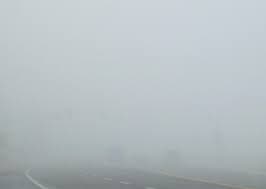
Fog & Mist
Reduced Visibility from Water Droplets
What It Is
Ground-Level Cloud - Stratus cloud touching Earth's surface with suspended water droplets
Visibility Impact
Reduced Sight Distance - Ranges from light mist (barely noticeable) to dense fog (10 feet or less)
Hazard Level
Moderate to Severe - Major cause of accidents and transportation delays
What is Fog?
Fog is a stratus cloud that forms at ground level, created when water vapor condenses into liquid droplets near the Earth's surface. Fog differs from mist primarily in visibility - fog reduces visibility to less than 0.5 miles, while mist maintains visibility above 0.5 miles. Fog is essentially clouds on the ground, containing the same water droplets but forming when air is cooled to its dew point.
Types of Fog
Radiation Fog
Formation: Clear nights allow radiation cooling of ground; air near surface cools to dew point
Conditions: Light wind, clear skies, moist air near surface
Timing: Forms after sunset, thickest before sunrise, burns off by mid-morning
Location: Valleys and low areas where cold air pools
Thickness: Usually shallow (100-500 feet)
Advection Fog
Formation: Warm moist air moves over cooler surface (ocean, cold land)
Conditions: Wind required to transport air; temperature contrast critical
Duration: Persists as long as wind and temperature conditions exist
Location: Coastlines, over cold ocean currents, winter over unfrozen lakes
Thickness: Can be very deep (1,000+ feet)
Upslope Fog
Formation: Moist air forced up mountain slopes, cooling adiabatically
Conditions: Wind forced toward mountains, adequate moisture
Duration: Persists during wind event, can last days
Location: Mountainous and hilly terrain on windward slopes
Impact: Can extend high on mountains, multiple thousand feet thick
Evaporation & Freezing Fog
Evaporation Fog: Cold air moves over warmer water, moisture rises and cools
Freezing Fog: Fog droplets freeze on surfaces creating rime ice coating
Conditions: Temperature contrast (warm water, cold air above)
Impact: Steam fog appearance, heavy icing on surfaces
Precipitation & Volcanic Fog
Precipitation Fog: Warm rain falls through cold air, evaporating and saturating air creating fog
Volcanic Fog (Vog): Sulfur dioxide and ash from volcanoes create yellow haze and poor visibility
Duration: Precipitation fog dissipates when rain stops; vog can persist for days/weeks
Visibility Categories
- • Dense Fog: Less than 0.1 miles (528 feet)
- • Heavy Fog: 0.1-0.25 miles
- • Moderate Fog: 0.25-0.5 miles
- • Mist: 0.5-1.0 miles
- • Light Mist: Greater than 1.0 miles
- • Below 0.1 mi: Hazardous, near-zero visibility
- • 0.1-0.25 mi: Severe hazard, use headlights
- • 0.25-0.5 mi: Significant hazard, reduce speed
- • 0.5-1.0 mi: Moderate hazard, caution
- • Above 1.0 mi: Safe, minimal impact
Fog Hazards & Impacts
Transportation Hazards
- Reduced Visibility: Drivers can't see oncoming traffic or road hazards
- Collisions: Multi-car pileups common in dense fog on highways
- Aviation: Airports close, flights delayed/diverted
- Maritime: Ships lose sight of navigation aids, collision risk
- Deaths: Fog-related accidents kill hundreds annually
Environment & Health
- Air Pollution: Fog traps pollutants at surface (smog)
- Respiratory: Pollutants and moisture irritate airways
- Visibility: Reduced sunlight affects plant photosynthesis
- Freezing Fog: Ice coating on structures and power lines
- Agriculture: Frost risk from fog clearing at sunrise
Economic Impact
- Air Traffic: Delays cost millions daily during fog events
- Shipping: Port closures, rerouting, schedule disruptions
- Accidents: Property damage and liability from collisions
- Energy: Increased electricity demand for lighting/heating
- Tourism: Visibility-dependent activities canceled or reduced
Natural Effects
- Rime Ice: Heavy accumulation on trees, power lines, structures
- Freezing Rain: Freezing fog can produce ice coating on surfaces
- Habitat: Fog provides moisture in desert and arid regions
- Water Cycle: Fog drip contributes moisture to forest ecosystems
Fog Safety Guidelines
- ✓ Reduce speed significantly - Adjust for visibility conditions
- ✓ Use headlights - Low beams only, not high beams (causes glare)
- ✓ Increase following distance - Triple or quadruple normal distance
- ✓ Use fog lights - If equipped, aim low to cut through fog
- ✓ Avoid passing - Limited visibility makes passing dangerous
- ✓ Stay in your lane - Use road markings as guides
- ✓ Listen carefully - Sound becomes important when visibility is poor
- ✓ Pull over if necessary - If visibility becomes extremely poor, stop safely
Fog Forecasting & Timing
Fog forecasting is challenging because formation depends on precise temperature, moisture, and wind conditions. Different fog types have different timing patterns:
- Forms after sunset
- Thickest before sunrise
- Burns off by mid-morning
- Forms with wind onset
- Persists while wind/temp conditions last
- Can occur any time of day
- Forms when wind hits terrain
- Persists during wind event
- Lifts/clears when wind shifts