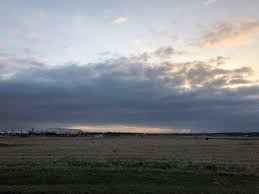
Stratus Clouds
Low Gray Layer Clouds ☁️
Altitude
0 - 3,500 feet (0 - 1.2 km)
Lowest cloud type
Visibility
Reduced, overcast sky
Full sky coverage typical
Precipitation
Light drizzle possible
Continuous layer
What Are Stratus Clouds?
Stratus clouds are low, uniform layers of gray clouds that often cover the entire sky. They appear featureless and smooth, like a solid gray ceiling. Stratus clouds form when weak vertical motion or cooling creates a layer of clouds at low altitude. They represent the simplest cloud type and often produce overcast, gloomy conditions with drizzle or light rain.
Formation & Characteristics
Formation Processes
- 1. Radiative Cooling: Night-time cooling of air near the surface causes condensation.
- 2. Advection: Warm, moist air moves over cold water or snow, cooling and forming clouds.
- 3. Weak Lifting: Gentle upward motion of stable air creates a continuous cloud layer.
- 4. Turbulent Mixing: Weak convection near the surface creates uniform cloud layers.
Key Characteristics
- ✓ Appearance: Uniform, featureless gray layer
- ✓ Coverage: Usually covers entire sky (100%)
- ✓ Texture: Smooth and continuous, no gaps
- ✓ Base: Well-defined, relatively flat base
- ✓ Thickness: Often only 300-500 feet thick
- ✓ Transparency: Sun appears as through frosted glass
Types of Stratus Clouds
Stratus Fractus
Ragged, broken stratus clouds with visible gaps and irregular shapes. Often seen near mountains or where turbulence is occurring.
- • Broken, ragged appearance
- • Visible gaps in cloud layer
- • Wind-torn appearance
- • Associated with wind/turbulence
Stratus Nebulosus
Smooth, continuous layer of stratus with no visible structure or breaks. This is the classic uniform gray ceiling.
- • Smooth, featureless appearance
- • Complete sky coverage
- • Very thin usually
- • Gloomy, overcast conditions
Stratus Undulatus
Stratus with subtle wave patterns or undulations visible, indicating atmospheric waves beneath the cloud layer.
- • Visible wave patterns
- • Regular undulations
- • Indicates atmospheric stability
- • Creates ripple effect
What Stratus Clouds Mean
☁️ Typical Conditions
- ✓ Overcast, gloomy weather
- ✓ Temperatures remain steady
- ✓ Little to no wind
- ✓ Stable atmospheric conditions
- ✓ Light drizzle or fog-like conditions
⚠️ Associated Weather
- • Persistent drizzle (not heavy rain)
- • Reduced visibility near ground
- • Can merge with fog
- • Cool, damp conditions
- • Very stable air mass
Stratus vs Fog
The main difference between stratus clouds and fog is altitude and formation mechanism:
Stratus Clouds
- • Form at 0-3,500 feet altitude
- • Can be seen as separate from ground
- • Visible from below and sides
- • From above, looks like a white layer
- • Form from cloud condensation processes
Fog
- • Forms at ground level
- • Observer is inside the fog
- • Severely reduces visibility
- • Can't see sky through it
- • Forms from cooling at surface
When & Where Stratus Forms
Common Locations
- • Coastal areas (marine layer)
- • Over cold ocean currents
- • Mountain valleys
- • River valleys with poor drainage
- • Flat terrain with calm winds
Seasonal Occurrence
- • Most common in winter
- • Morning and evening hours
- • Over cool water in summer
- • After rain has passed
- • With high pressure systems
Key Facts About Stratus Clouds
Physical Properties
- • Thickness: 300-600 feet typical
- • Droplet size: 10-20 micrometers
- • Liquid water content: 0.1-0.3 g/m³
- • Color: Medium to dark gray
Visibility Impact
- • Visibility: 600-3,000 feet with stratus
- • Light drizzle reduces it further
- • Very slow moving
- • Can persist for hours/days
Formation Temperature
- • Forms at any temperature
- • Can consist of water droplets
- • Or supercooled water below 32°F
- • Or ice crystals at extreme cold
Observing Tips
- • Uniform gray appearance
- • No visible structure
- • Often described as gloomy
- • Look from ground level